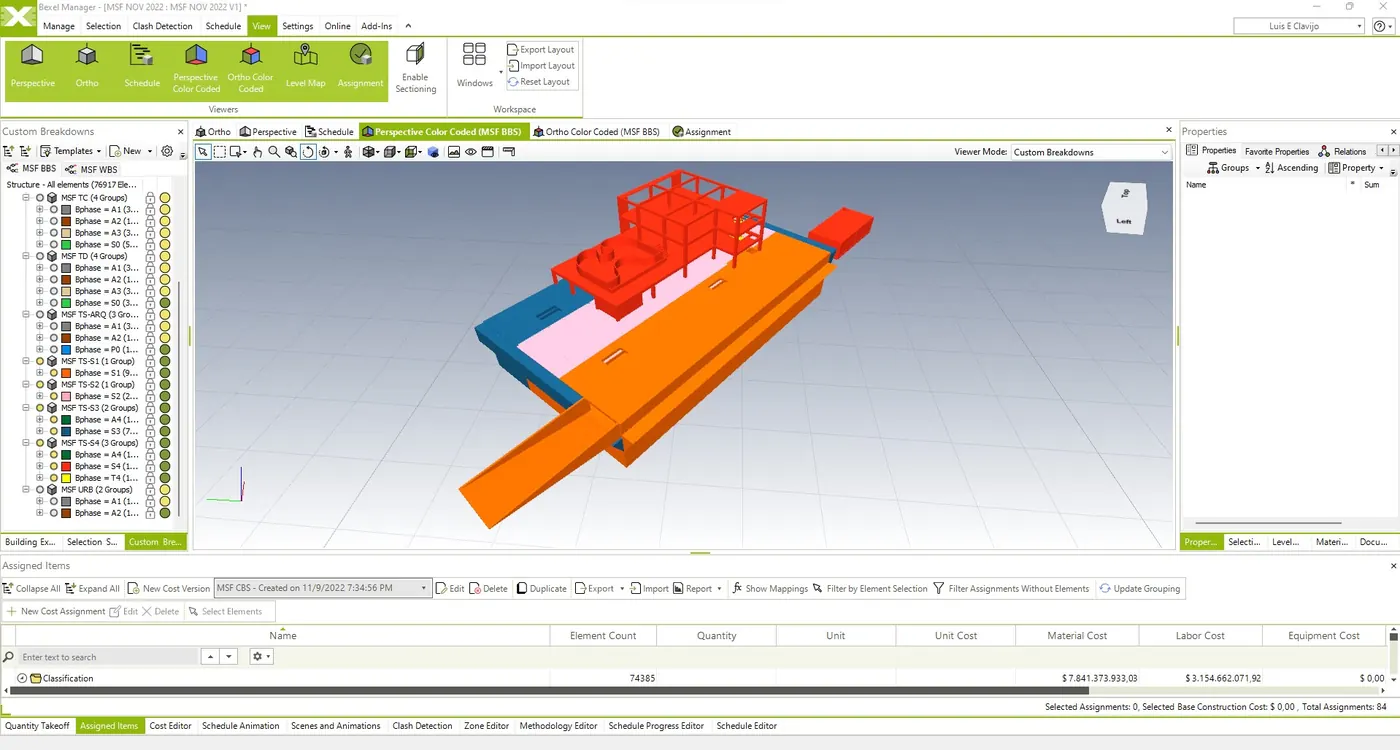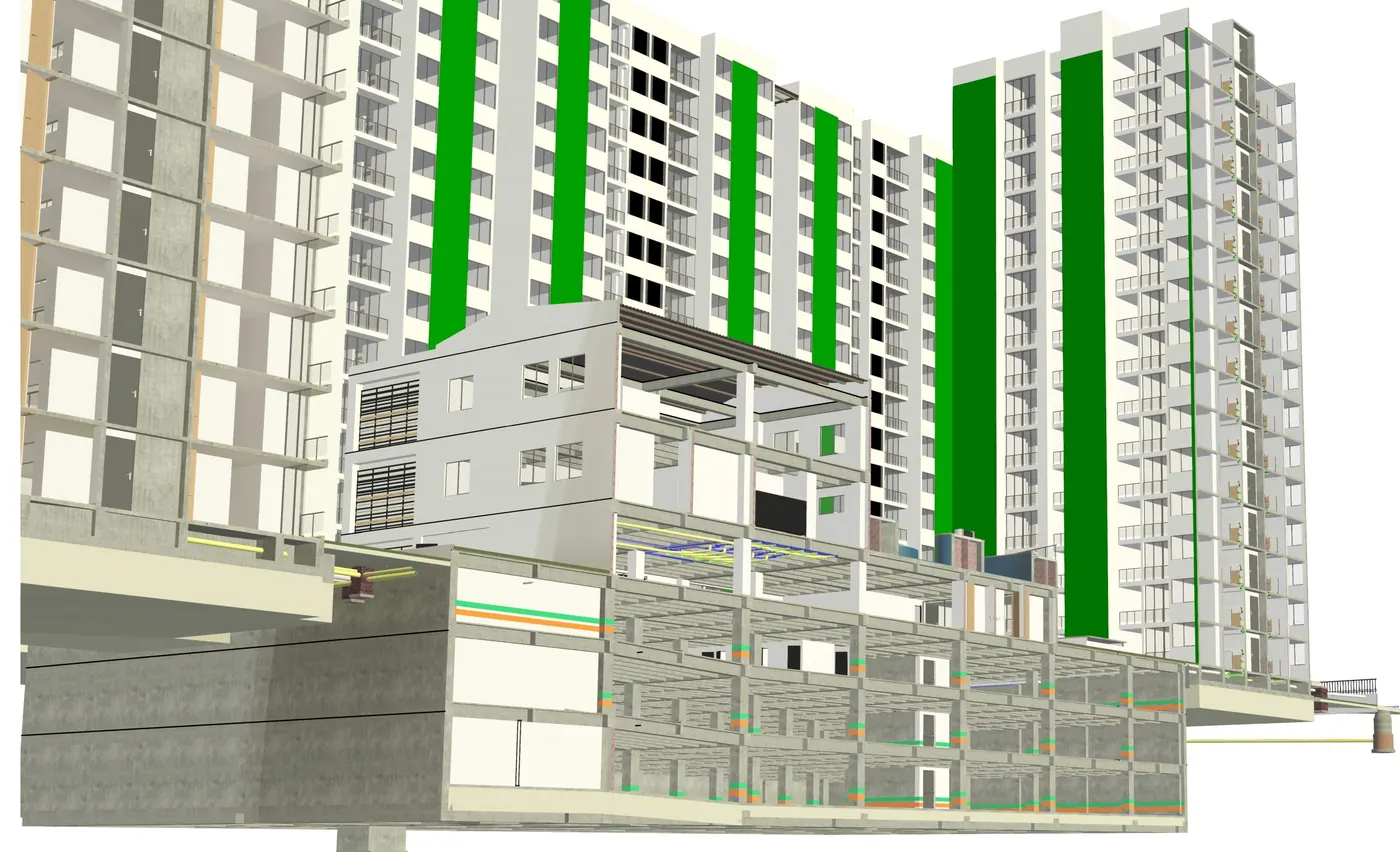

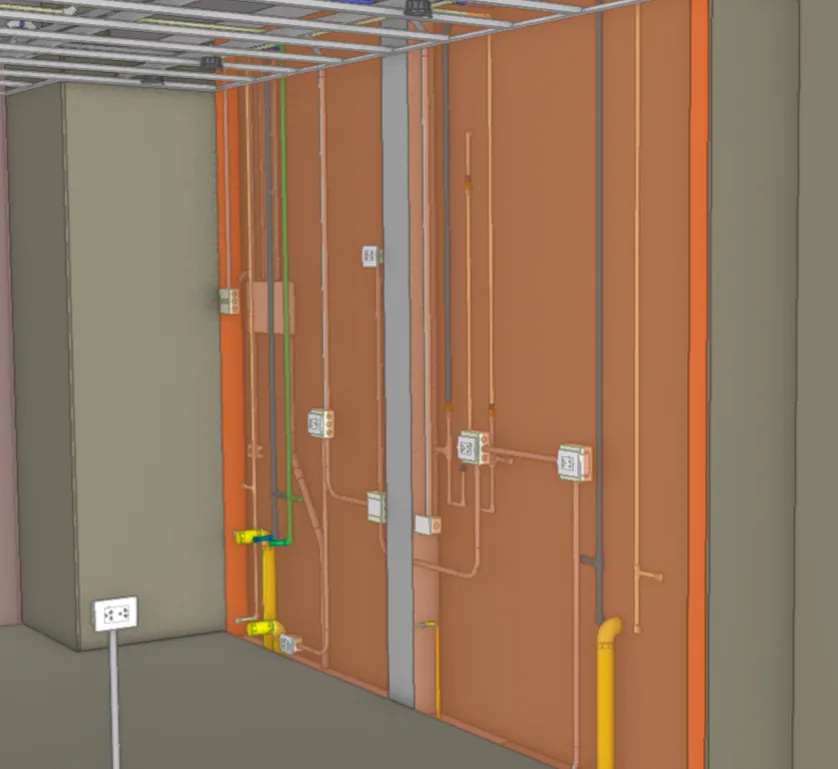
BIM (Building Information Modeling) is a virtual method where all the information needed to create the project's graphics and non-graphic data is stored, with the aim of making the project more efficient. It is the way to digitally visualize the team's work and to manage information throughout the project lifecycle: design, construction and operation. More than a 3D representation, BIM creates an information model that contains all the disciplines involved.
It is important to clarify that BIM is more than 3D modeling, and that is precisely where the importance of the “I” (information) lies. The data inside these models is critical: it turns a basic 3D geometric model into an enriched project database, what we call BIM metadata.
BIM metadata refers to the vast amount of data created, stored and shared during a project's design by the different actors involved. This dataset enables and strengthens the planning phase, improves decision making, ensures greater efficiency and should be the project's single source of information. We are not only talking about geometry: it also nourishes cost, schedule and feasibility data. Including as much information as possible is vital — but quality matters more than quantity: metadata must have order and structure, aiming for a standard across projects and organizations.
Main benefits: cross-discipline teamwork (architecture, structure, suppliers, etc.), error reduction, cost/time/resource scheduling, anticipated virtual outcome, higher project competitiveness and quality, better presentation through renders, drawings and VR, clearer time and cost forecasts, drawings and specs always up to date, and a shared information database.
BIM metadata must be strategically organized to ease creation, exchange, modification and storage. Once the relevant data is defined, it is classified in two ways: embedded in the model (executed within the BIM model as properties tied to each element) or linked to the model (organized in a Common Data Environment and later connected to it, keeping the file lighter and easier to handle).
Formats for sharing BIM data should be standard, open and simple to guarantee easy reading and operation across all parties. We generally use the international IFC standard. Data can also be exported and shared in XML format — a simple spreadsheet with the information required for facility management — or exchanged in proprietary formats (e.g., Autodesk Revit) when teams have compatible software.
Once these advantages and the importance of information are exposed, we can conclude that BIM is a fundamental technological pillar within the VDC framework and makes design, construction and management processes faster, more economical and easier to develop. The metadata we embed in the models will be the key for the planning outputs to be the right inputs for a successful construction phase.
Ready to apply this in your preconstruction?
A 15-minute call is enough to review how your next project's baseline is built and where your team is finding out too late.
Book a strategy call