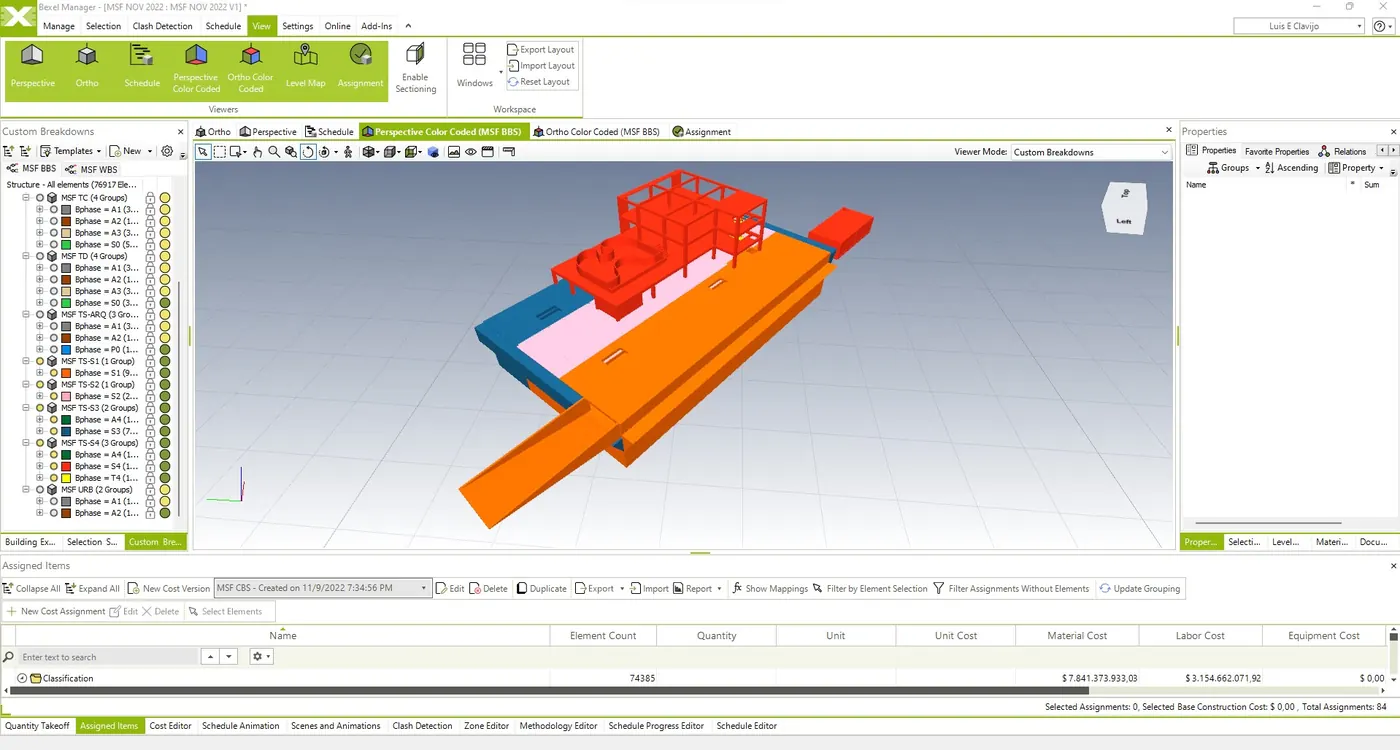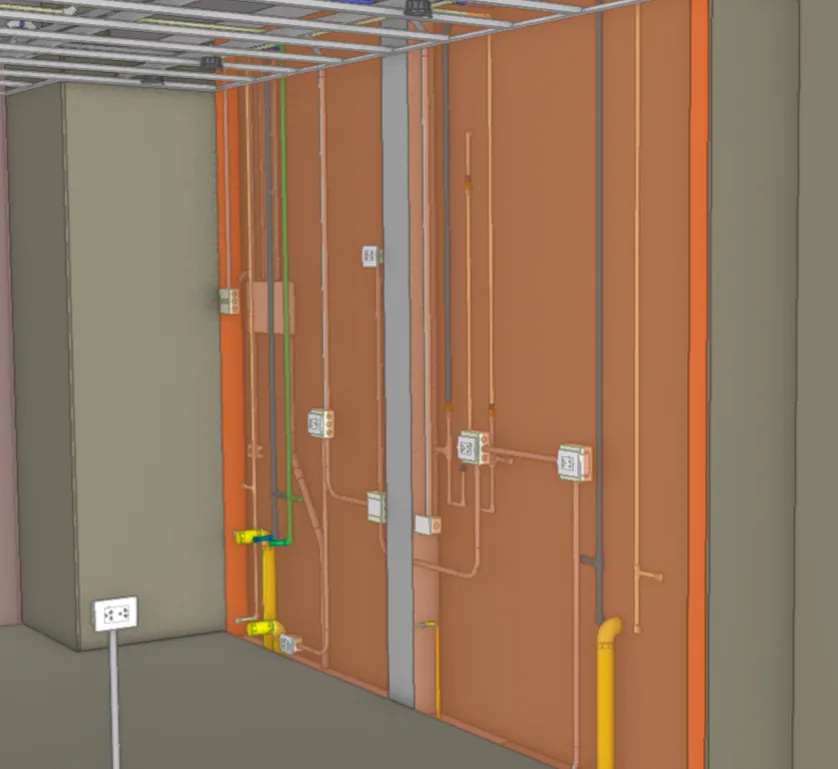

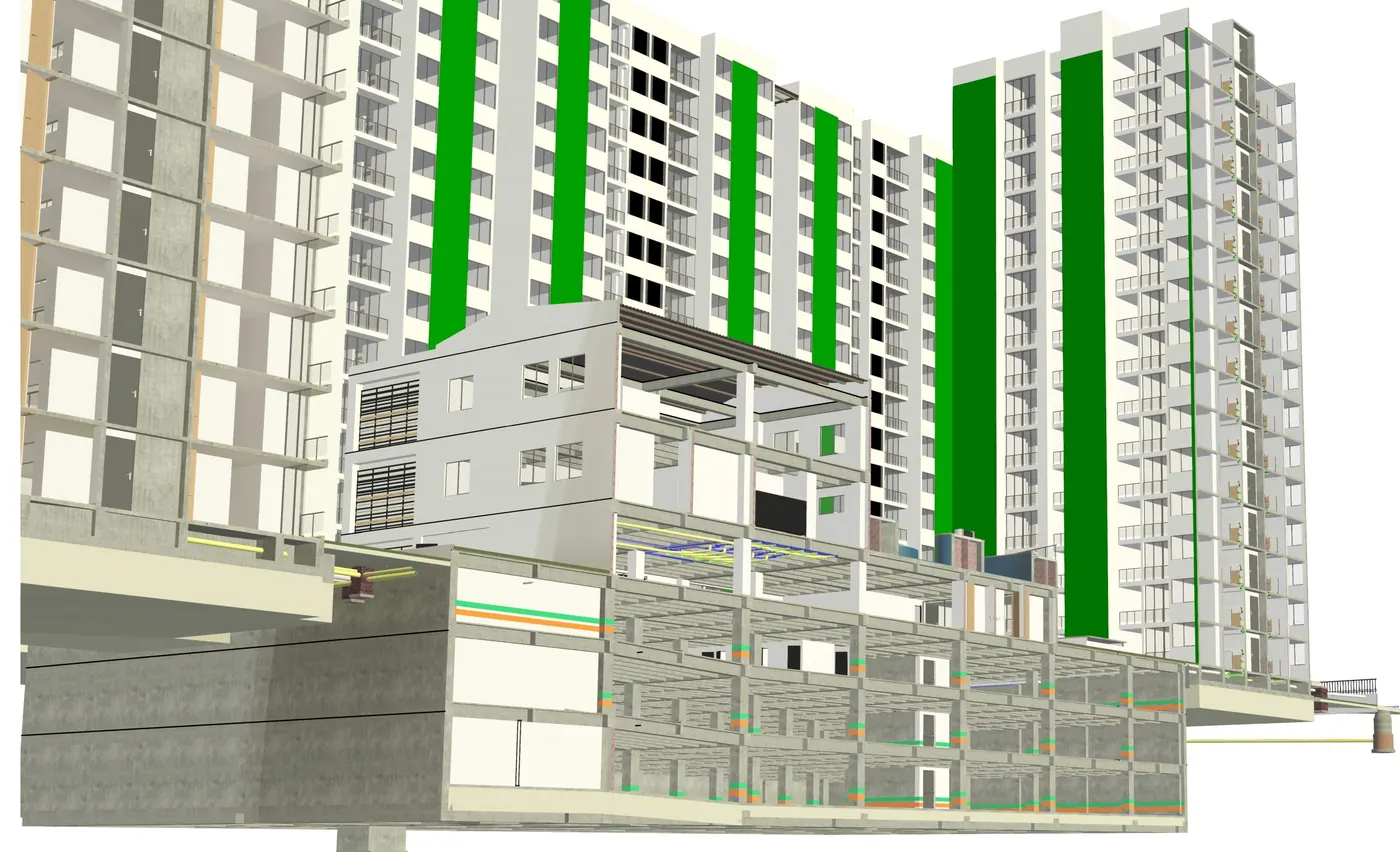
Virtual Design and Construction (VDC) is a method that manages BIM (Building Information Modeling) models and integrates people with harmonized processes to achieve maximum performance in design and construction management. It allows the team to leverage information to digitally plan every aspect of a construction project (cost estimating, scheduling and risk management). In essence, the VDC framework strengthens the planning and design phase, reduces variability and delivers more predictable and accurate results in construction.
This method was first introduced by CIFE (Center for Integrated Facility Engineering) at Stanford University in 2001. Its main exponent and driver is Martin Fischer, director of CIFE.
The objective of VDC is to anticipate every possible situation in the project — from the simplest to the most complex — and assess its viability to know the total investment required in time and money. Applying it means working LEAN: improving productivity, reducing costs and eliminating waste.
The VDC framework rests on three major pillars:
• Integrated Concurrent Engineering (ICE): a social method, meetings between teams with different tasks pursuing the same goal. Its objective is to facilitate decisions and improve communication through the best available technologies.
• Project Production Management (PPM): the component responsible for processes. Its use allows the team to understand, control and improve project delivery.
• Building Information Modeling (BIM): the component where virtuality and the repository of graphic and non-graphic information reside. It is the way to obtain a digital and visual representation of what the team is doing, with information relative to each building object.
To know whether each tool is working properly there must be indicators that measure these variables. Two basic types are tracked: production objectives (easier to measure: time, cost, number of issues resolved) and controllable factors (quality, satisfaction), which must be linked to the production objectives of each component to optimize the project's processes.
Some advantages of applying VDC: better communication between teams thanks to ICE; better strategic planning through PPM, defining objectives, final deliverables, raw materials and the information that requires closer monitoring; and greater efficiency and productivity through BIM, which delivers a 100% accurate virtual model where stakeholders visualize the project clearly and simply.
The VDC framework is not exclusive to large contractors or complex projects: it is for everyone. It enables cooperation across the different disciplines that take part in a project and generates savings in time, cost and unforeseen events, with the sole purpose of delivering the project's final goal in the best possible way. It does, however, require a clear strategy and proactive project metrics to adjust course — because we can hardly manage the wind, but we can always trim the sails.
Ready to apply this in your preconstruction?
A 15-minute call is enough to review how your next project's baseline is built and where your team is finding out too late.
Book a strategy call